
Baltimore-based Secondhand Shopping Expert and founder of The Retail Economist
—
Meet Zoey Washington, fashion expert and secondhand enthusiast behind The Retail Economist. Drawing on more than 20 years in fashion and lifestyle media, Zoey makes the cultural context, market trends, and pricing behind our purchases feel approachable, helping us understand the “why before you buy” and rediscover the thrill of finding something truly special.
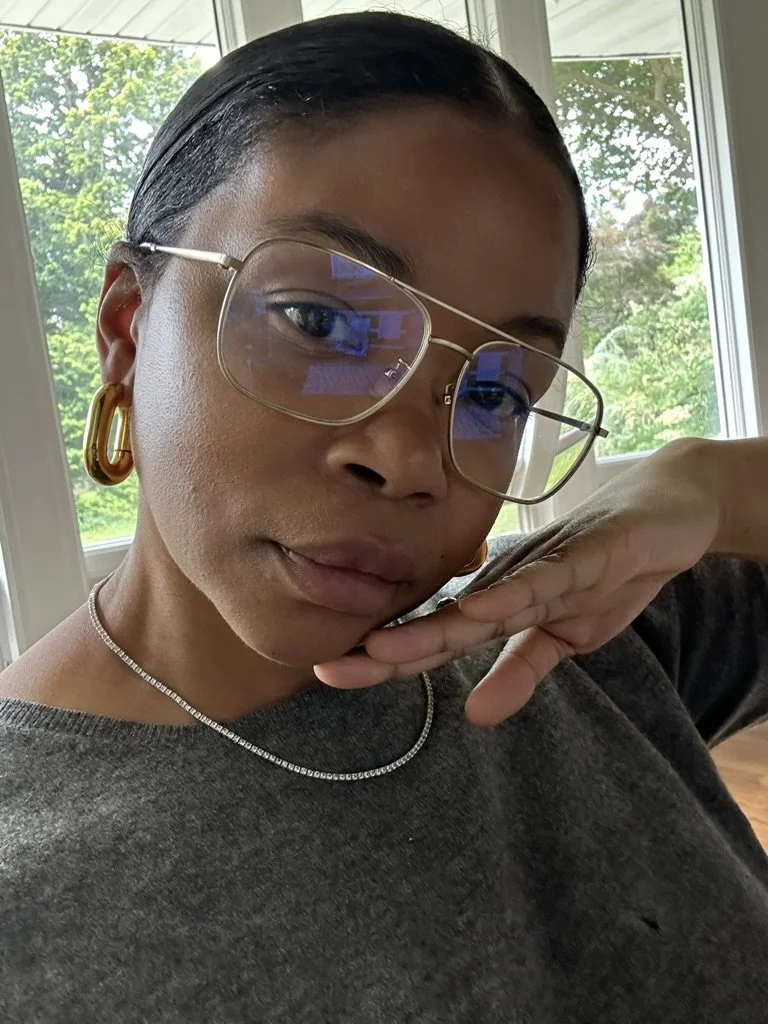
Before we start, for those who don’t know you, can you share with us what you do and where you’re based?
I’m currently Head of Content & Programming at a gaming company specializing in poker. In addition, I am a fashion expert and interior design enthusiast specializing in the secondhand market. I’m based in Baltimore, Maryland, where I am originally from. I live here with my husband, John, and 2 children, Sam (8) and Sidney (4). We are surrounded by family, which is exactly why we returned to set up our life in Baltimore after years of living in New York and a brief stint abroad.
You call yourself the Retail Economist, which is such a memorable title. How did you end up in this world, and what made you realize there was a need to help people understand the economics behind what they buy?
I've spent over 20 years in the fashion and lifestyle industry as an editor, stylist, and writer. It was my dream growing up to become a fashion editor, and I was lucky enough to work at media titles such as Elle, Essence, People, and Vogue. I credit my media experience with my ability to see the industry from so many different vantage points — the editor, the buyer, the designer, and …most importantly to me…the consumer. Over the years, even as the industry and media have changed, a void has remained in helping people understand the broader context around not just what's trending, but what they ACTUALLY wanted to add to cart. I found that particularly true in the secondhand market.
I didn't coin the term "retail economics," but it felt so right for pinpointing how I like to show up in the world. Retail economics studies "how consumer goods and services move from producers to final buyers." I wanted to explore how to arm people with the best information, whether it was something silly and anecdotal or a massive industry shift about finds in fashion and home on the secondhand market, so that they feel empowered and confident knowing that they are spending their money wisely and at the right time, ideally before an item becomes so widely known and prices start to soar.
The way that I present information, with cultural context, market analysis, price breakdowns, and trend reporting, is exactly how I have been breaking down buys for friends and family for years…and it is such a pleasure and honor that I get to do this for a wider community. What I hope comes across is that The Retail Economist isn't just about consumerism, being "trendy," or buying things just to have them…it is about teaching people how to shop and helping more people discover the fun and excitement that comes with shopping secondhand.
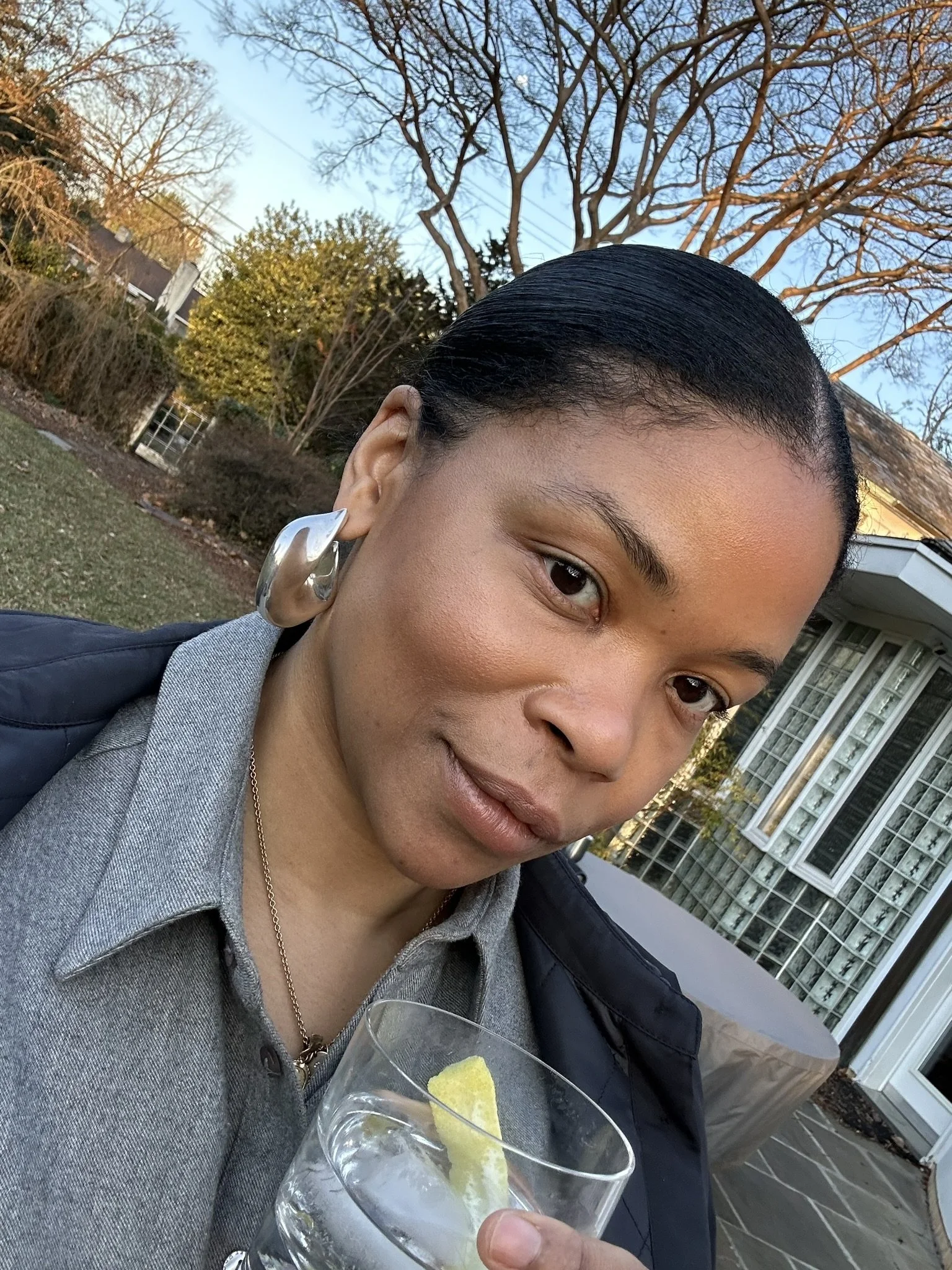
You make topics like resale value, brand history, and market trends feel so approachable. How do you take something that could feel really intimidating and turn it into information people can actually use?
Ever since I was a teenager, I loved giving people the backstory of a trend or a look on the runway. When I became an editor, my job was to connect the dots between what designers were sending down the runway and how it would eventually land in people’s wardrobes…and I find the best way to do it is similar to how I gossip with friends or tell a story about something funny that happened at work….with a dash of humor and never taking the whole thing too seriously. I think fashion and interior design can be really intimidating. And as someone who worked in the fashion departments of some of the most elite publications, I can tell you that sense of intimidation is not by accident. But I find the most compelling storytelling on social media and in legacy media is when you let your guard down and welcome people in with open arms, ready to openly share your expertise. I find that people don’t want to be lectured to, and they don’t want a book report. They want to chat with a friend…especially if that friend appreciates their love of shopping. In my humble opinion, knowing the history behind an item is important, but it isn’t the whole story. Knowing the history of the “Little black dress” or the story behind a bag isn’t going to make me want to add it to my cart or entice me to click purchase…but knowing what that item means in this particular moment in time does help inform my decision. If I know something I like is about to get more expensive, or that I can get it now before it becomes wildly overpriced, that is so much more valuable to me than hearing that it is trendy and a celebrity wore it.
You've built your platform around the idea of "the why before you buy." Where did that philosophy come from, and what does it actually look like when you're deciding whether something is worth investing in?
Yes! That philosophy really came from the real conversations I've had with friends and family over the years who have trusted my advice on their purchases (big and small). Normally, someone will ask me, "Should I get this?"...not "Is this cute?" or "Do you like this?" and I realized it's because I was offering them something they felt they didn't have access to quickly—context. It isn't enough to say "looks good" or "I just saw this influencer wearing it" as a justification for spending our hard-earned money. People, at least my friends and family, wanted to know more without being overwhelmed, and they wanted advice that didn't feel condescending. Why you should buy something, hold onto it, sell it, or pass on buying it can be just as powerful as what you are buying. When I decide whether something is worth investing in, I consider a few things. The Cultural Context - Is it getting more popular right now because something is bubbling up online? Did a creative director leave a house? Was it featured in a really cool movie? Who is behind the item? Were they a pioneer in their field or represent an often overlooked style of design? The Pricing - Is something wildly overpriced or undervalued? And I pay attention to vibes - Does it make people happy? Will someone regret getting it in 5 mins, 5 months, or 5 years?
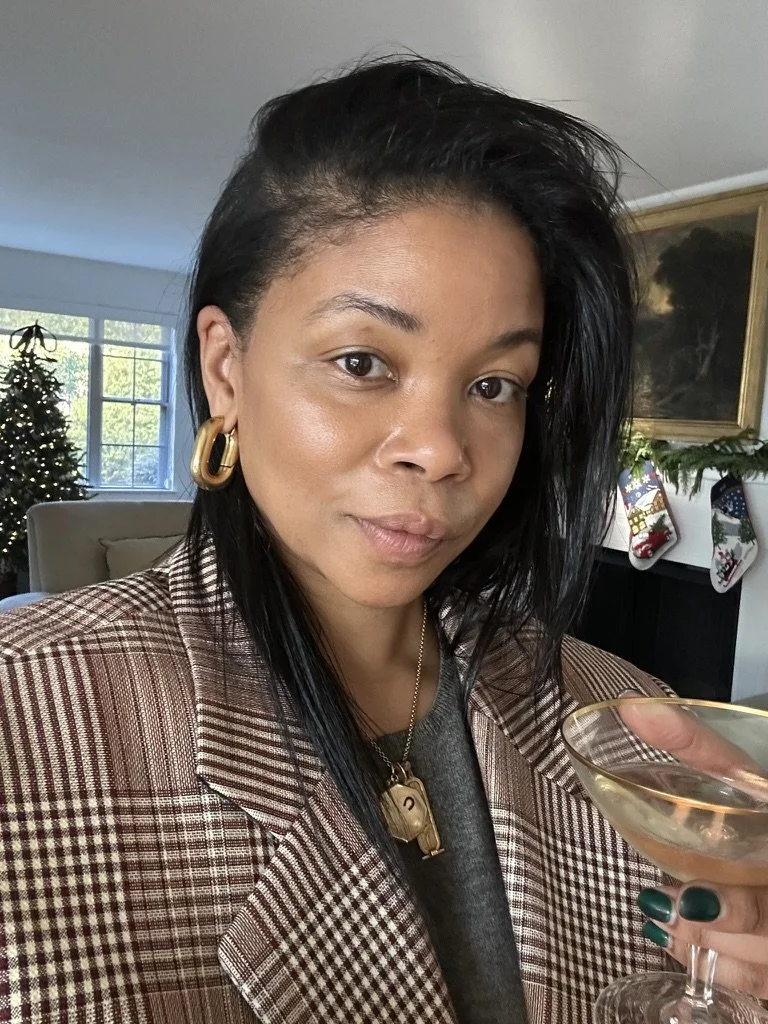
People in the art and auction world often know what's about to become valuable long before everyone else. Your content helps bridge that gap. Without giving away all your secrets, what does your research process look like, and what's one thing anyone can do to become a more informed buyer?
I read…EVERYTHING. I listen to podcasts, I read Substacks, industry papers, newsletters, I watch YouTube shopping videos, and I am chronically online. I browse secondhand sites just for fun to see what is popping up, and I am deep in the trenches with FB Marketplace to see what people are selling. But there is no specific science; I just get a feeling about something.
What's the biggest misconception people have about buying "investment pieces"?
The biggest misconception people have is that they will want to sell an “investment piece”. Oftentimes, when the market is ready to reward your investment, that is the exact moment you don’t want to part with it. So buy what you love because it makes you happy regardless of what the market shows. Let me help guide what you’re willing to pay for it.
What's a "buy now" prediction you made that already paid off? And is there something you're quietly betting on that the rest of us haven't caught up to yet?
I purchased a number of YSL Mombasa bags on secondhand sites years ago that were all under $200, and I am so glad that I trusted my instinct, although I wouldn’t sell them. I wouldn’t say people haven’t caught up yet, but I think they overlook or underestimate the power of buying original or commissioned art. There are so many amazing, affordable artists out there who are early in their careers. Buy their work or try commissioning it now instead of buying something everyone else has. If you haven’t seen the documentary Herb & Dorothy, I highly recommend you watch it. It is a great testament to following what you love and investing in people and your vision.
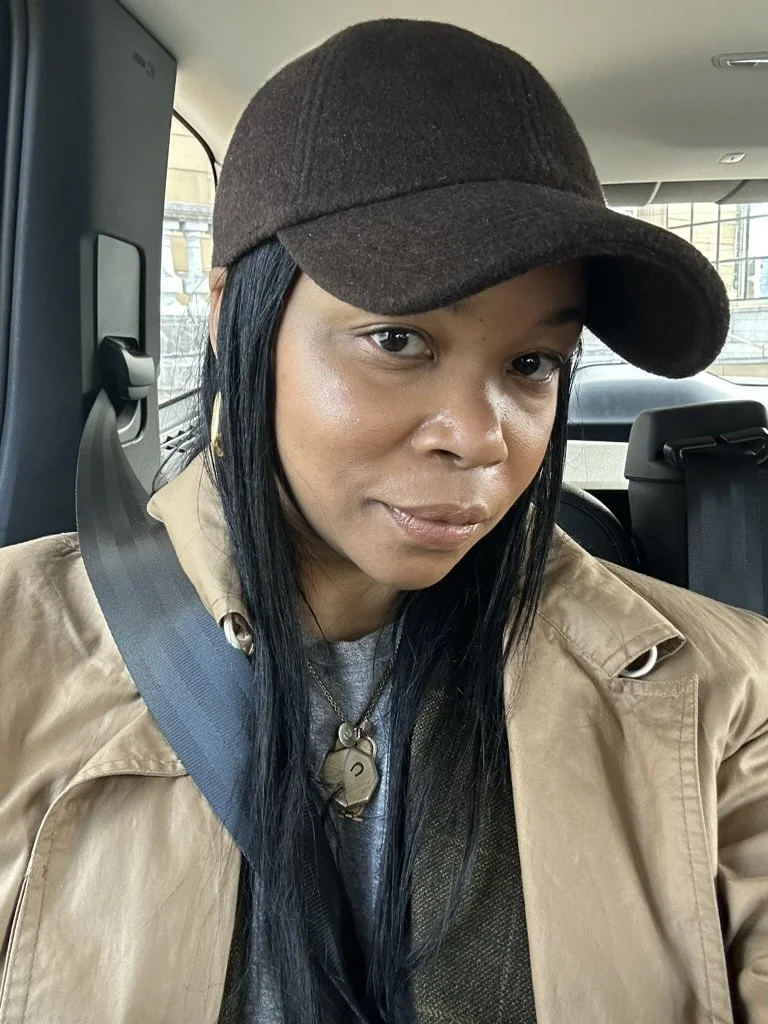
If you had to send everyone listening out on a treasure hunt this weekend, what are three things you'd tell them to keep an eye out for
West German pottery from the 60s and 70s…it is wild stuff and so chic. Mid-century Italian flatware (Antonio Piva for Studio 2000) or barware, namely Bormioli or Moreno. And, for the fashion folk, Mattieu Blazy for Bottega Veneta plaid blazers. If you can swing it and find them, get them, because they have great tailoring. For fall, I’m also looking for vintage YSL wool/cashmere blazers (men's) with strong shoulders.
Is there one quality or detail you look for that tends to signal lasting value, whether it's fashion, furniture, or home decor?
Clean lines. Anything with too much fuss tends to age terribly, so look for silhouettes that can work in any era.
Do you think social media has made people better shoppers or just faster shoppers?
I would hope for better, but I mainly think it has made people think that they HAVE to shop and that their budgets are either a) not big enough or b) they shouldn’t even have a budget. I often say, “I hate a haul, but I love a collection” because I think social media makes people feel like they are behind if they don’t buy something, and a lot of it. When I see people unboxing Chanel and Hermes hauls or even beauty hauls, I think we’ve lost the plot. My goal is to not contribute to the “I’m shopping with reckless abandon” noise and instead give you information so that the choice is in your hands…and now you have all the information to make it.
When does buying vintage actually make more sense than buying new, beyond just the sustainability conversation?
Without a doubt, when it comes to budget. Buying vintage, secondhand, or thrift gives you access to quality products and a level of luxury brands that can’t be ignored. Buying secondhand, to me, is a way to access brands, items, and a sense of discovery or uniqueness that can’t be replicated in traditional retail.
What's your favorite place to shop secondhand online, and where's your favorite place to treasure hunt in person?
My favorite fashion spot is TheRealReal because I was an early customer and have loved seeing how the company has grown and shown a wider audience that the words “luxury” and “secondhand” can be in the same conversation. I am HEAVY on Facebook Marketplace finds because it's the wild, wild West for home buys. In person, I love Mt. Royal Studios in Baltimore and ANY antique mall. My favorite spot is Uncommon Objects in Austin, TX.
For someone who's just getting into secondhand shopping, what's one habit that will make them a dramatically better buyer over time? Compare your item on different platforms. Etsy and 1stDibs will price differently, so search everywhere. We have built a secondhand shopping tool for paid subscribers of The Retail Economist Substack that will help you do just that!
What's your holy grail find? Is there one piece you're still hoping to stumble across someday?
Nothing specific, but I live for mid-century Italian lighting.
Before we let you almost go, where can we find more of you?!
I'm launching a Substack! I would love to engage with people there! I'm really proud of what we’re building and the secondhand shopping tool that comes with a paid subscription. It is like shopping with me in your pocket, and I am so excited to get it into people’s hands!
Let’s Get Deep
What’s your theme song?
Young Hearts Run Free - Candi Staton
Night In or Night Out?
I love both, but these days, Night In
When do you feel most you?
When I am wearing something that has some elaborate backstory behind how I found it for a low price, aperitivo hour, dry martini in hand, watching my kids have fun and giggling with my husband.
What’s something you’re obsessed with right now?
Home tours on YouTube.
Call or Text?
Text…always
When was the last time you cried?
Anytime I see someone perform a Haka on TikTok.
When’s the last time you laughed (like a big belly laugh)?
Anytime I talk to my husband.
Current favorite follow on social media?
Isaac Mizrahi….he is so funny, chic, refreshing, real, and adorable.
Lastly, what’s one thing you would tell your 16-year-old self?
Everything you are obsessed with now will come in handy later.
Find More of Zoey here:
Playlist: Here
TikTok: @theretaileconomist
IG: @theretaileconomist
Substack: The Retail Economist
